Antonia Klöcker
Satellite telemetry
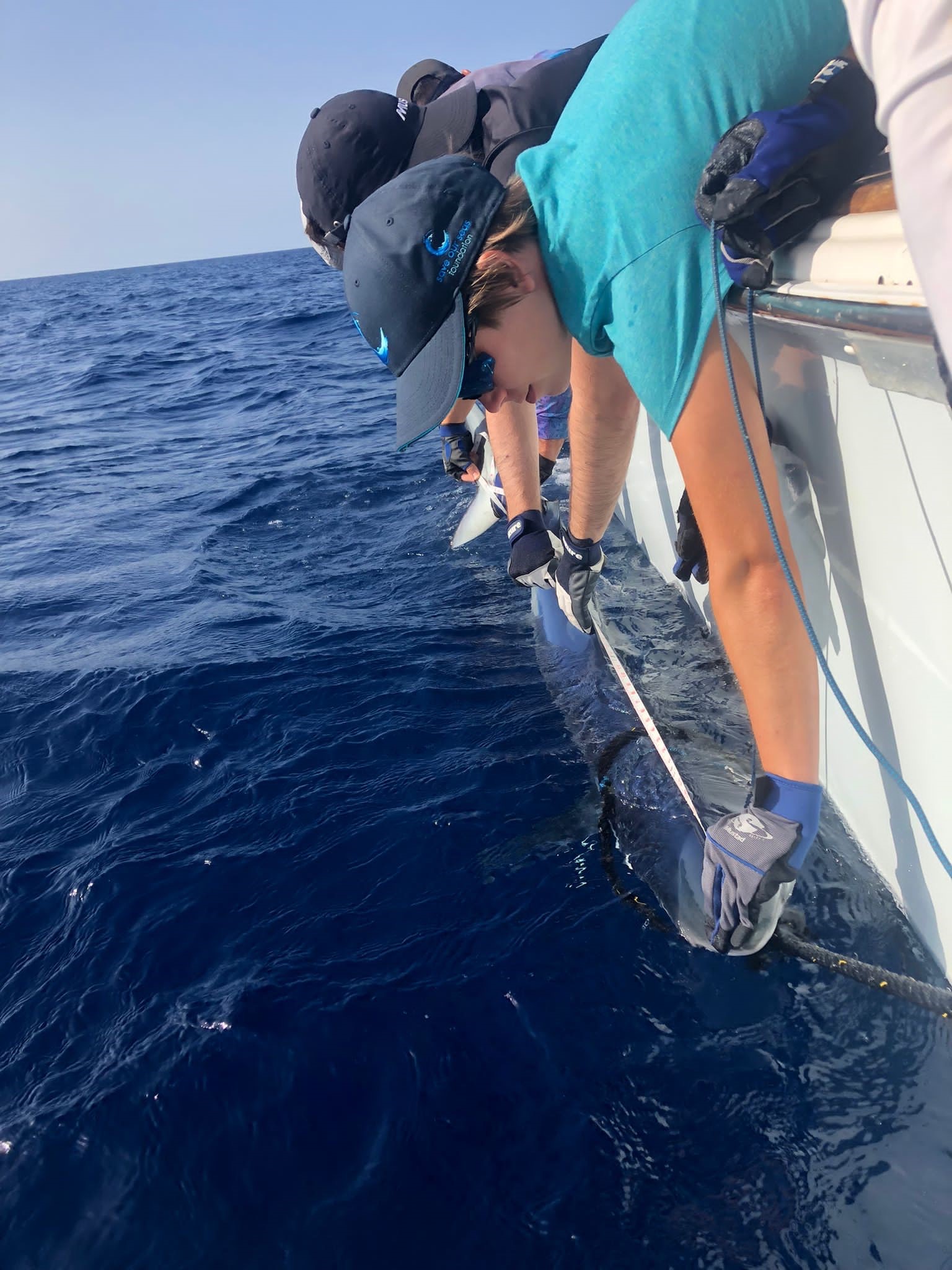
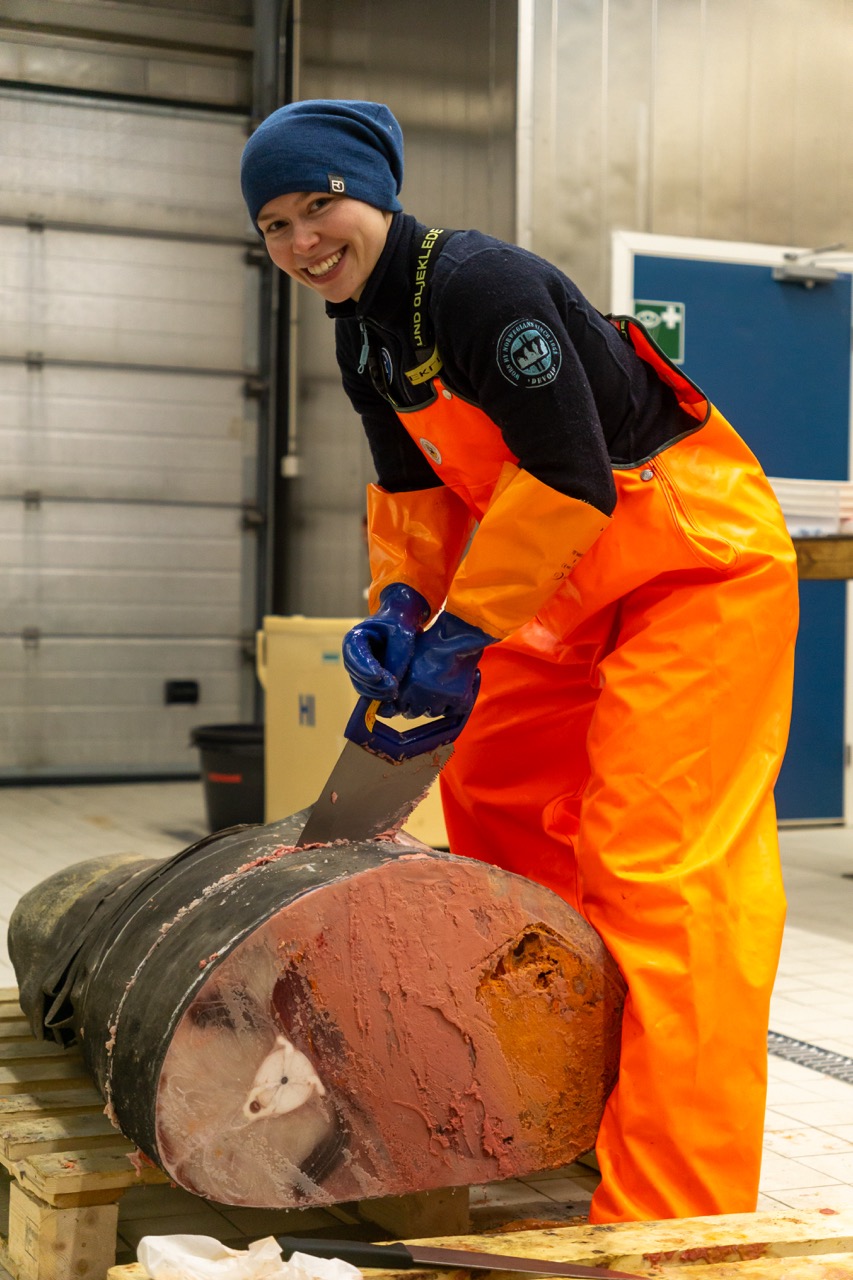
I use satellite telemetry to track pelagic sharks, aiming to identify key habitats and critical migration routes. My fieldwork experience includes co-organizing and participating in projects like Sharks on the Move and O2SHARK, where we deployed and recovered different satellite tags. For my dissertation, I focus on the basking shark, the second-largest fish in the world, about which surprisingly little is known. In addition to long-term tracking, I collect complementary data such as drone footage, genetic samples, CTD measurements, and zooplankton samples to enhance our understanding of this species.
Spatial data analysis and modelling
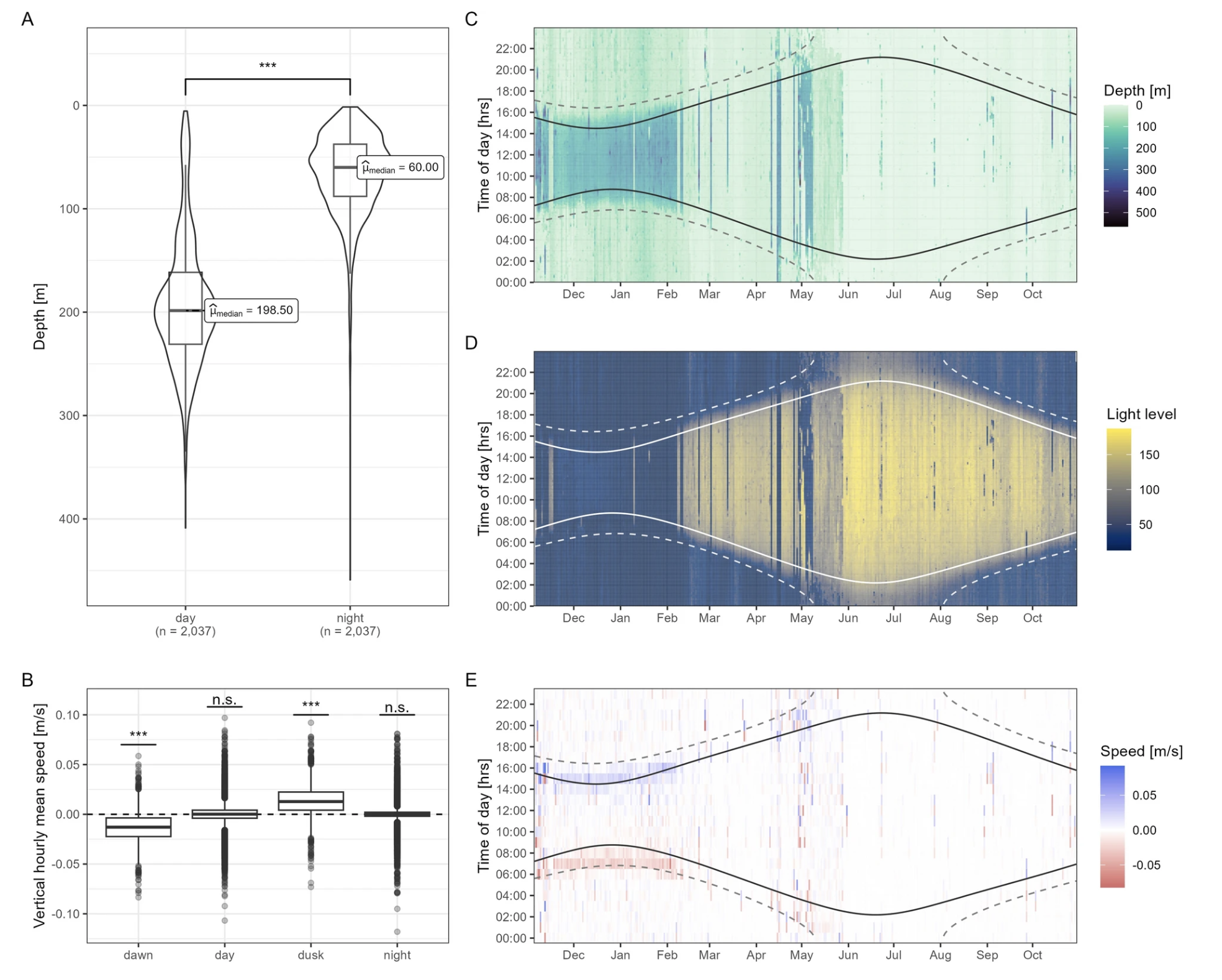
I am passionate about visualizing and mapping spatial data to uncover patterns in space and time. Using various statistical models, including species distribution models, I analyze covariate effects and predict spatial trends. My work integrates citizen science observations and tracking data, combined with both in situ and remotely sensed environmental data, to better understand the environmental factors that influence animal movement and habitat use.
Comparative morphology
I am further interested in the anatomical specializations influencing how predators navigate their complex marine environment. In particular, I am passionate about the thermal adaptations that contribute to regional endothermy, a rare trait found in just 0.1% of fish species. Studying the movements of pelagic sharks along their northernmost range, I am curious to understand more about tissues involved in heat generation and retention, which enable these animals to access deep ocean layers like the midnight zone and thrive in waters above the Arctic circle.
Citizen Science
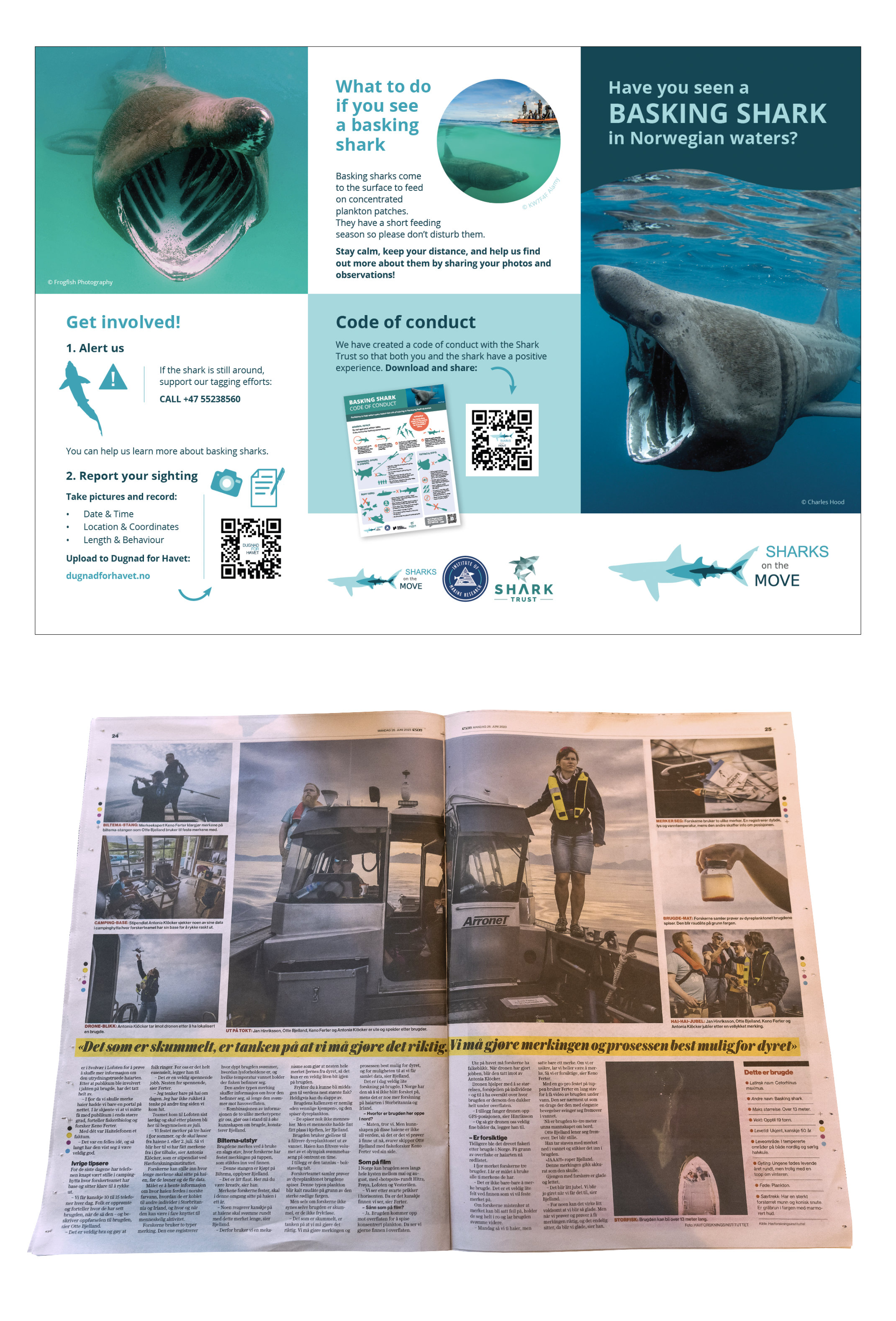
As part of the Sharks on the Move project, we launched a nation-wide campaign which included a Shark Hotline to report real-time sightings to guide our fieldwork. We collaborated with the Shark Trust to co-develop informative leaflets and posters, and our research efforts were featured in both local and national media, including VG and NRK. In 2023, the campaign won the Institute of Marine Research’s award for Best Science Communication and Outreach. Additionally, I conducted interviews with older fishers who participated in the basking shark fishery from the 1960s to 1980s to incorporate their wealth of local knowledge into ongoing research.
Science-Policy interface
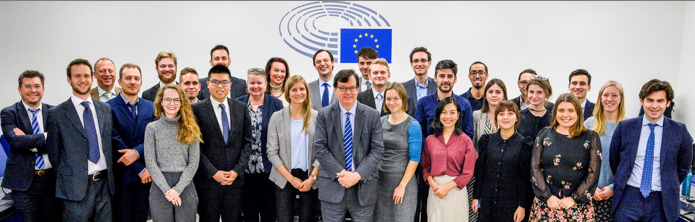
Effective communication and co-creation are essential for bridging the gap between science, managers, and the public. To ensure my research has a meaningful impact, I have gained experience at the Science-Policy Interface, learning how scientific findings are integrated into the policy cycle at national, supranational, and international levels. This work helps drive progress toward sustainable fisheries and ecosystem-based management of our oceans. I have contributed to policy advice via the European Parliamentary Research Service (EPRS) on fishery legislation and ocean governance, the UN Secretariat for the Convention on Migratory Species, and by supporting ICES stock assessments through my working group at the Institute of Marine Research.